Production Jobs Deep Dive: Director Highlight
By Alexandria Stith | September 16, 2026
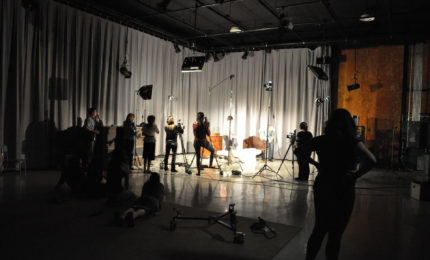
One of the most recognizable and oftentimes glamorized roles on set is the role of director. The director is responsible for taking a script and visualizing an overarching cinematic universe, guiding the actors and technical crew to bring their artistic vision to life.
Talking with some of Missouri’s celebrated directors, they speak to what it means to take on the role.
” I like this quote I heard somewhere that the director is ‘protector/keeper of the story,’ so they do whatever they can to keep the story first and foremost in every step of production. Usually that role keeps them involved in every piece of the process, but hopefully they are hiring people better than themselves to elevate each piece of the project.”

Dan Parris, award-winning filmmaker and founder of Speak Up Productions and co-founder of Speak Up Studios, explains what the role of director entails.
Understanding the role of director is vital to setting the tone for any project. “I like trying to say something in the script. I like collaborating with talented people from fellow writers, producers, DPs, composers, editors, audio mixers and really everyone on the team.”
While there is a myriad of roles that are responsible for bringing a project to life, it is solely entrusted to the director to see its artistic vision through.
Parris continues, “It’s so fun to all come together to create something. I think that the team effort part is my favorite. It is also pretty fun to sit in a theater and hear people laugh when you were hoping they would and tear up when you wanted to tug on their heart strings.”
Jackie Kelly, St. Louis actress and director celebrated her directorial debut during Hysteria Fest 2026 in St. Louis, MO, with her debut film, Hag. The feature film earned her a best director award during the festival.

Jackie Kelly
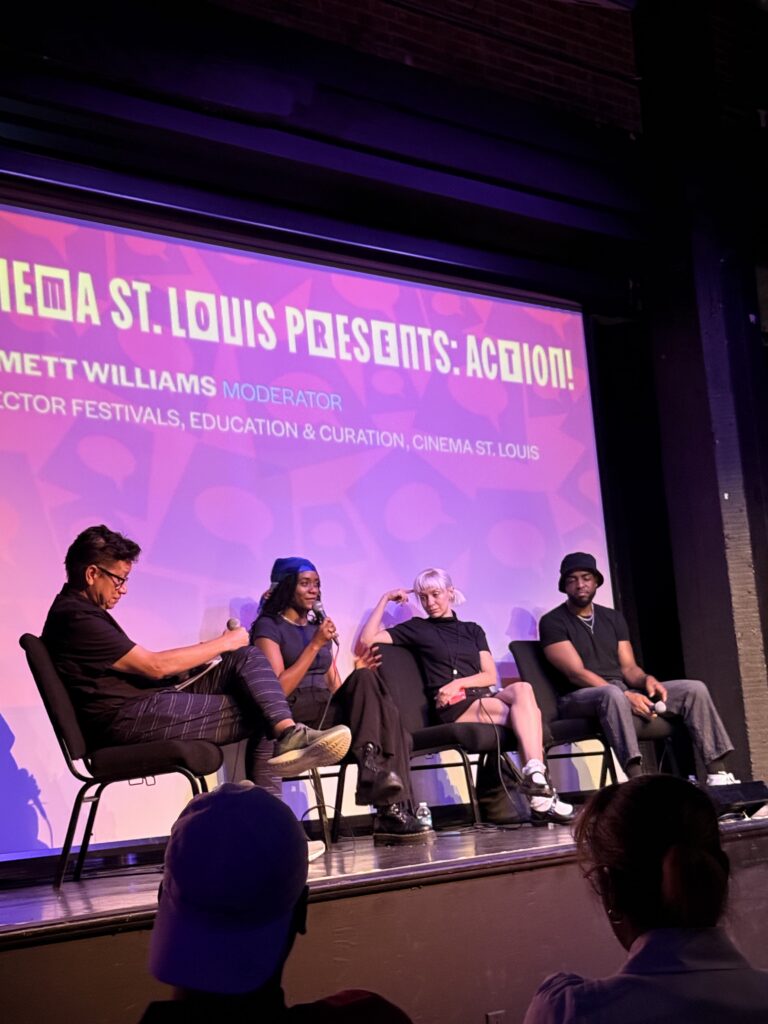
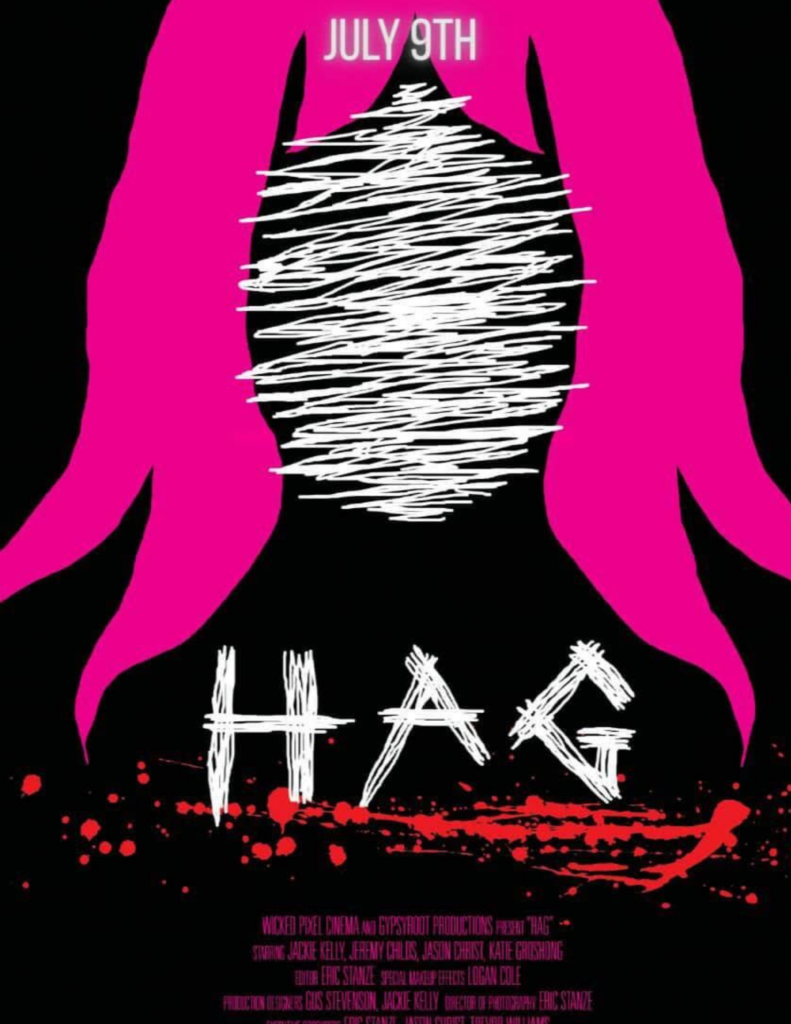
Speaking on a panel about her experience of filmmaking in Missouri, Kelly understands the experience of being on both sides of the camera and the ability to channel all of that when it comes to wearing the director’s hat.
“It’s a role where you wear a million different hats and I don’t know an indie director that doesn’t. I also think that’s the beauty of what makes an indie film feel like an indie film. They have a very personal feeling, and I think that’s because the director has their hand in so many different departments.”
Celebrating the premiere of his debut film, Heroes Among Us: Kid Electric, Anthony Jones understands the process of bringing a film to life. “My overall experience directing my first project was euphoric but also stressful.”
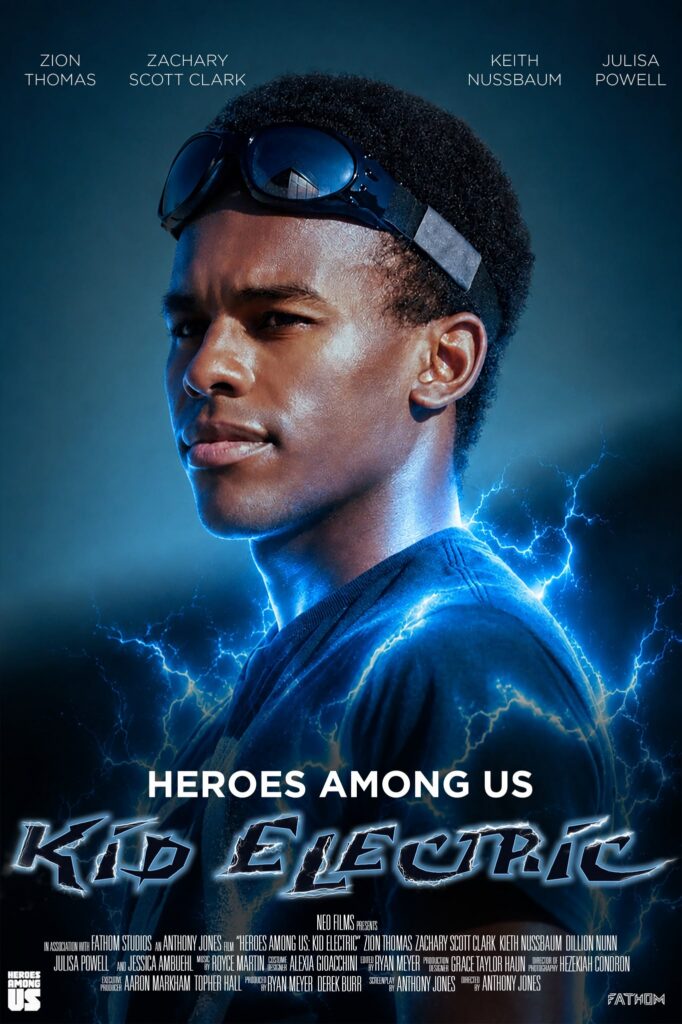
Describing his experience, Jones continues “Nobody tells you what makes a good director. Yes, we all know that a good director tells the best story, but nobody teaches you how to lead a crew or a set. Or what to do when actors aren’t giving you what you need, or how to pivot. Those were all things I had to learn on the job.”
“But directing has been something I’ve always wanted to do and so even when the times were hard, I still had the best time ever.”
Heroes Among Us: Kid Electric is a superhero short written and directed by Jones which filmed in St. Louis, MO.
From St. Louis Magazine, the short follows “The eponymous Kid Electric reflecting on what he learned from a recent hostage situation that didn’t go quite as planned. Kid Electric, AKA Warren Ryder, is a homeless teen living on the streets of Lion City who joins forces with a spirit entity named Aurora and, in turn, gains the power to control electricity.”
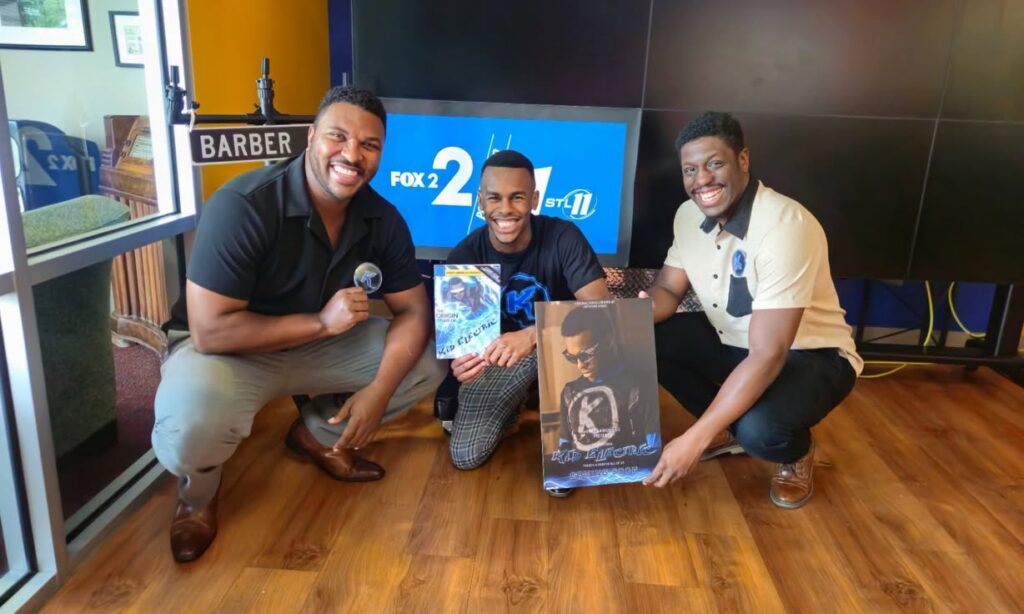
The experience of directing a film can offer a chance to understand what you really can expect of what it’s like to be in charge of the helm.
“What I love about directing is telling a story. I absolutely love telling all kinds of stories and creating characters.”
He continues “Nothing brings me more joy than when I see audiences connecting with a character that I created. When it all comes together it truly is a beautiful masterpiece.”
The importance of entrusting your crew as a director is essential to fostering a communicative set. Patrick Rea, award winning film director whose projects have won him Best Heartland Narrative Feature at the Kansas City Filmfest understands the need of encouraging collaborative energy on set.

“I like to keep transparent communication between departments and really make all the crew members feel like they are an important part of the process.”
Rea continues, “Directing requires enormous patience, organizational skills and the ability to keep morale high on set. Someone working closely with the actors, planning the blocking of the scene with the DP and always being a good listener is also paramount in being a successful director.”
When the time comes for a project to bring a director on board, their ability to take a script and visualize what stands out the most, is often predicated on a very stressed budget.
Catherine Dudley-Rose, an award-winning writer/director, actress, and musician speaks to creative challenges that may arise for first time directors, particularly related to financing.
“My first paid screenplay job premiered at Tribeca, and it’s very different directing your own written work than being in service of someone else’s. I’m currently committed to two other feature directing jobs (not written by me) and as you can imagine, their funding will greatly influence the approach.”
Dudley- Roses’s career as a director comes with the ability to recognize the challenges that could arise not only on set, but for the crew. “Having taught acting in NY for a long time and working for Bernard Telsey Casting in NY I am invested in the actors who will bring the story to life.”

“The challenge of being a director in the independent film world, unless you are wealthy or have substantial backers, is most of the time you are seeking funds. Overcoming this requires acceptance, patience, and bringing large visions into a smaller activation.
Dudley- Rose continues, “With my first feature film, Parallel Chords, the script had been optioned in NYC and had gotten a lot of traction. The Academy Award winning Coen Brothers were interested in co-producing if my first producers could raise 1 million. They had been successful line producers but had not yet raised those kinds of funds. Years could go by in negotiations.”
“Taking it over and making it myself meant having to cut the script significantly (from 120 to 87 pages) and accepting that we would need to split the major shoots in St. Louis and New York while more fundraising would occur.”
So, what really makes a director?
“If you have a story to tell and the drive to get out there and get the film made, that makes you a director. I always tell first time directors to just get out there with a camera or phone and make it happen,” Rae said.
If you are interested in learning more about these upcoming projects and directing, email mofilm@ded.mo.gov. If you are interested in connecting with more filmmakers in Missouri, make a listing for yourself in the Production Services Directory here.