Abandoned Missouri Locations to Shoot Your Next Horror
By Missouri Film Office | October 30, 2026
As the days get shorter and the leaves start to fall, Missouri may start to look…eerie. With the state’s rich history, some towns, homes and businesses were bound to get left behind. From forgotten buildings to once-thriving communities, Missouri is full of settings perfect for your next suspenseful project. When scouting an ominous location for your next thriller, consider these abandoned Missouri gems.
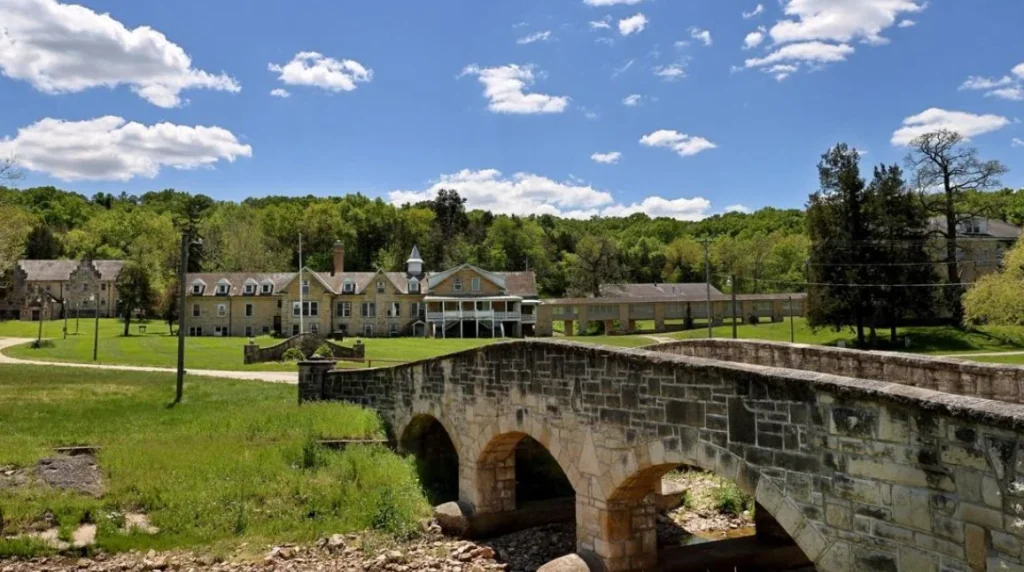
Emmaus Village – Marthasville, Mo.
Though it’s located just 40 miles west of St. Louis, Emmaus Village feels like a different world. The rural property was purchased by the German Evangelical Synod of North America in 1850 with the purpose of building a seminary. In 1892, the property was re-established as a communal village serving people with developmental disabilities. The “Emmaus Asylum for Epileptics and the Feeble Minded” was one of the first private organizations in the country dedicated to caring for people with mental disabilities.
The property was purchased in 2021 with the intent of a full historical renovation. As it stands, however, nine original limestone buildings remain in varying states of abandonment. Emmaus Village has been featured in many paranormal and ghost-hunting productions, including an episode of “Ghosts Off Grid” in 2025.
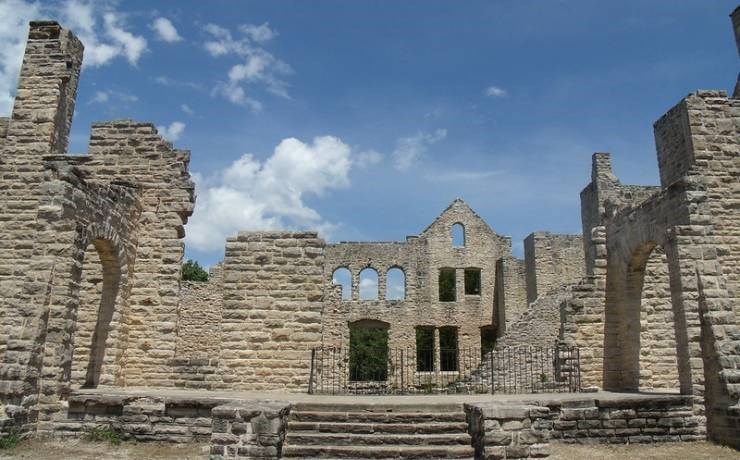
Ha Ha Tonka Castle – Camdenton, Mo.
In the late 19th century, Ha Ha Tonka Spring became well-known for its vast beauty and healing properties. Health resorts, like Eureka or El Dorado Springs, were increasing in popularity, and many hoped that Ha Ha Tonka would bring such opulent wellness to Missouri. Robert M. Snyder, a wealthy Kansas City businessman, had other plans.
Snyder purchased the 2,700 acres of land in 1905 and promptly began construction of a European-style castle. Situated on the park’s highest cliff, the imposing stone mansion started emerging over the treeline but, in 1906, Snyder tragically died in one of Missouri’s first car crashes.
Though he did not see the building’s completion, his family finished construction of the castle in 1922.
Twenty years later, the castle caught fire while being used as a hotel. Though it was no longer functional, its stone skeleton and surrounding scenery continued to attract visitors. In 1979, Ha Ha Tonka became a Missouri state park and today, the castle remains are still popular with park guests.
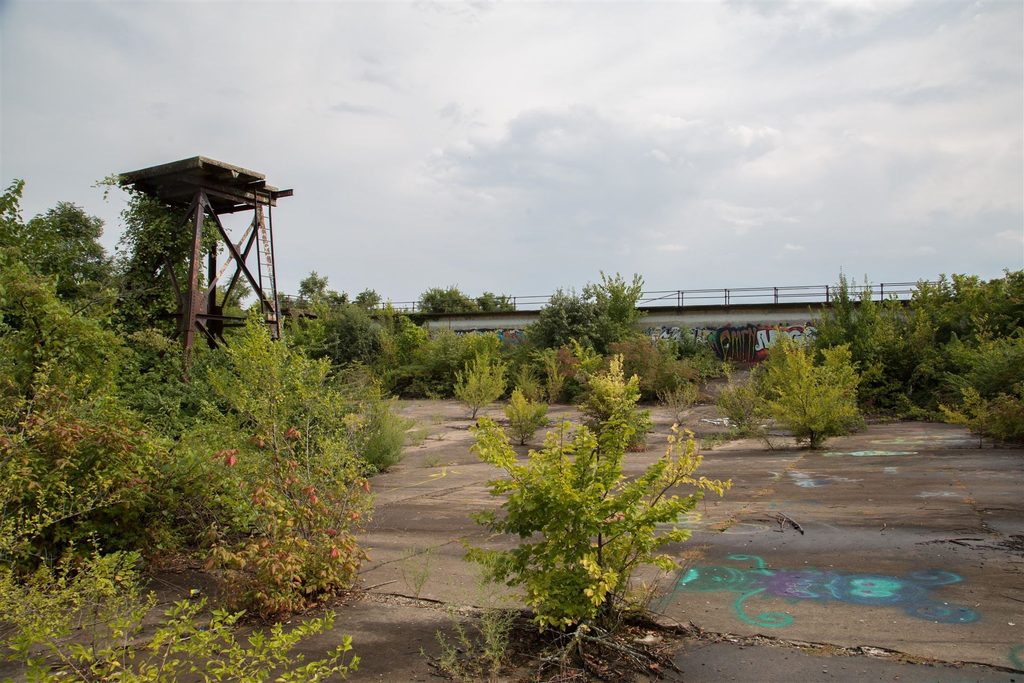
Kessler Park Reservoir – Kansas City, Mo.
Within Kansas City’s oldest park is the abandoned Kessler Park Reservoir. Built in 1921 to serve the community’s water needs, the reservoir functioned for just 10 short years before the shell cracked and it was decommissioned.
In the nearly 100 years since, the reservoir has been deserted. Weeds and wildflowers have overgrown the water towers, stairs and walkways while graffiti decorates much of the concrete. Though it feels like a desolate wasteland, the Kessler Park Reservoir is easily accessible from park roads and a popular attraction for adventurous visitors. In 2023, rapper J. Cole was spotted at the Kessler Park Reservoir shooting a teaser for his song “3001.”
Moselle – Franklin County, Mo.
Though it’s been labeled a “ghost town,” the unincorporated community of Moselle, Missouri is a bit more complex. Located just a short drive from St. Louis, the town was established in the mid-1800s by employees of Moselle Furnace, an iron shipping company. At its peak, Moselle had a few stores, a hotel and 26 houses near the furnace.
Though it’s not entirely clear when or why Moselle residents relocated, the town was generally deemed “vacant” when its post office closed in the 1970s. However, this isn’t entirely accurate. Though many of the homes appear to be in disrepair today, most are still privately owned and inhabited. The gravel streets are lined with original buildings, rusty old cars and a railroad track, making Moselle a perfect ghost town backdrop – as long as you’re respectful of its residents.
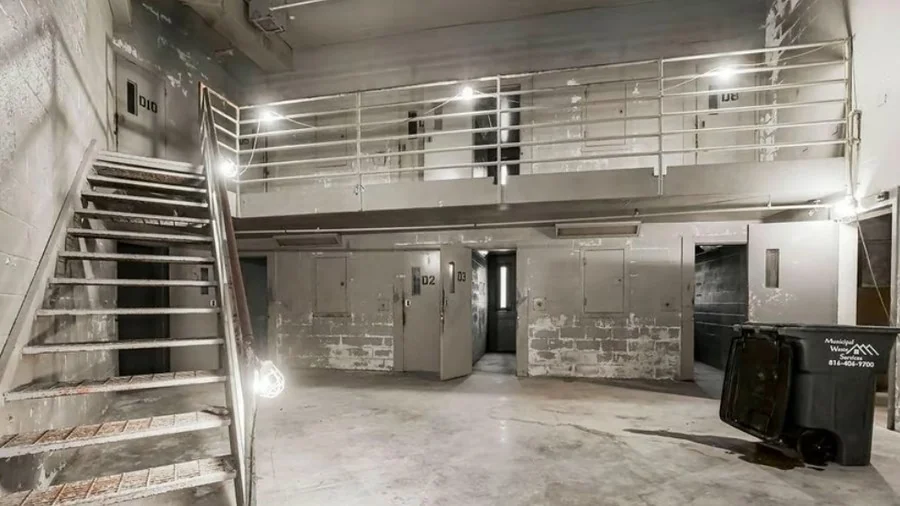
Old Cass County Jail – Harrisonville, Mo.
The old Cass County Law Enforcement Center dates back to the 1960s. The small-town jail, located just south of Kansas City, held thousands of inmates until a new facility replaced it in 2001. The building has sat empty since but was purchased in 2023 with the intent of bringing in film and television productions. “Spaces like this are incredibly rare, especially ones that are so open to filmmakers,” the Kansas City Film Office told FOX4 KC. “It’s great to be able to add a unique location like this to Kansas
City’s offerings.”
The unassuming gray building has several cell blocks, guard offices and intake areas. Though the new owners have tidied the space, the interior remains largely untouched and authentic.
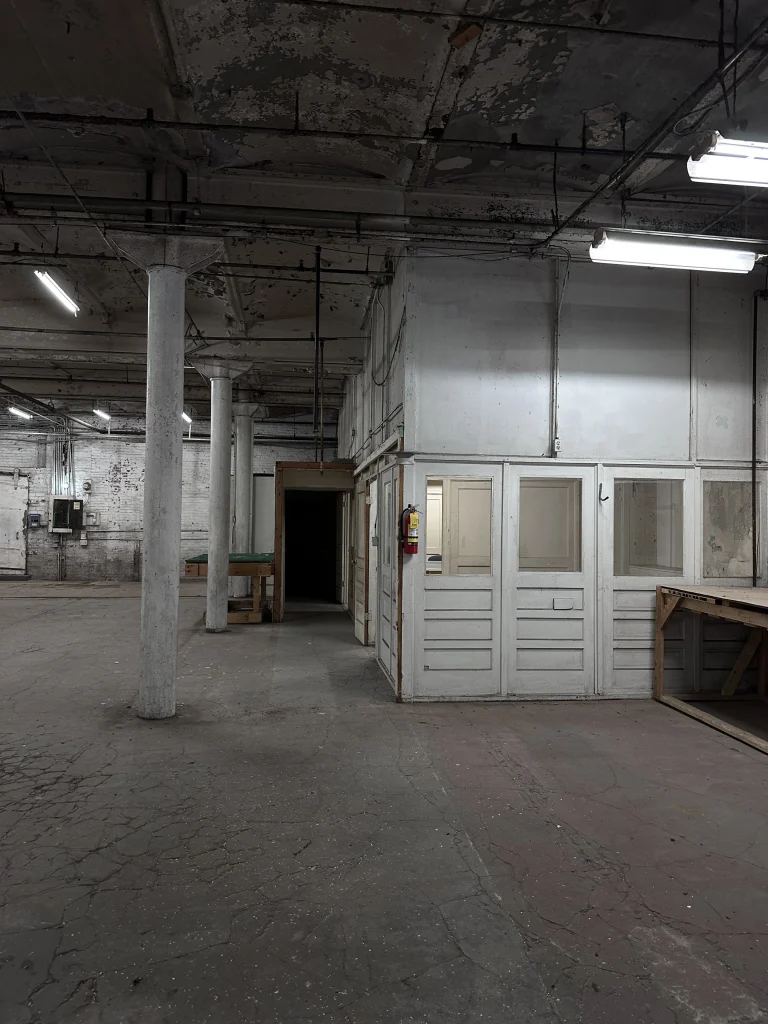
The Basement and The Highrise at Lemp Brewery Complex – St. Louis, Mo.
In the late 19th century, The Lemp Brewing Company was an industry giant. They were the first in the United States to make lager-style beer and establish coast-to-coast beer distribution. As their business boomed, the Lemp family expanded operations to a site near the Mississippi River with underground limestone caves. The Lemp Brewery Complex would grow into one of the largest breweries in the nation.
However, a string of tragic events hit the Lemp family beginning with the mysterious death of Frederick Lemp, heir to the company, in 1901. Three years later, his father committed suicide. In 1919, Prohibition forced The Lemp Brewing Company to cease operations and a year later, Elsa Lemp, the wealthiest heiress in St. Louis, took her life. In 1922, the Lemps sold their complex to International Shoe Company who used the space to produce, package and distribute shoes for nearly 70 years. In the 1990s, ISCO began leasing the property as a multi-tenant warehouse, which remains its use today.
“The Basement” is an eerie industrial space with multiple rooms and limited natural light. “The Highrise” is a fifth-floor warehouse with large windows, exposed brick and sweeping empty spaces. 20th Century Fox shot scenes of its 2020 thriller “The Empty Man” at The Lemp Brewery.
For more abandoned locations, check out our Location Gallery.
This article was written by Missouri Film Office intern, Justine Favazza.